
“First in war, first in peace, first in the hearts of his countrymen…”
So wrote General “Light Horse Harry” Lee in tribute to his colleague George Washington. And this is how George Washington is usually thought of: lofty, dignified, and somewhat remote.
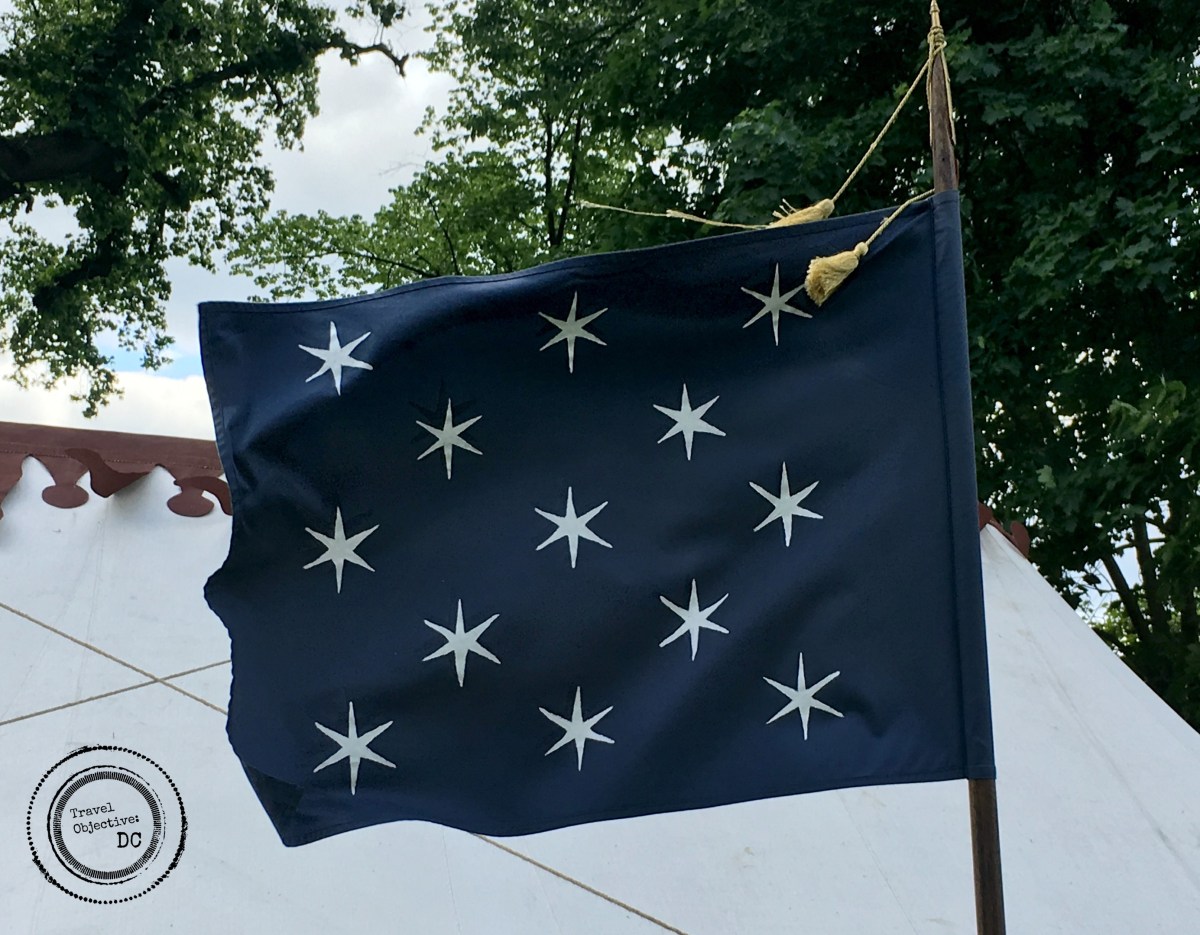
Folklore repeats the familiar stories of Washington as Commander-in-Chief of the Continental Army, heroic and virtuous crossing the Delaware, valiantly leading his troops at freezing Valley Forge and in the final victory at Yorktown. As our country’s first president, he set the tenor and established customs still adhered to today.
But a visit to his home at Mount Vernon in Alexandria, Virginia portrays George Washington the man–rather than the myth–with insight into his roles as a planter, businessman and private citizen as well as the military and political leader.
George Washington loved his home at Mount Vernon and it is easy to see why. The graceful manor house, symmetrically arrayed outbuildings, tended gardens, rolling landscape and beautiful vistas of the Potomac River would appeal to any founding father (or mother!)

The Washington family had owned the land comprising Mount Vernon since 1674, when George Washington’s great-grandfather, John, was granted a right to the property. It would pass to George’s father Augustine in 1726. George’s half-brother Lawrence inherited the property in 1743. It was Lawrence who gave it the name Mount Vernon after his commanding officer in the Royal Navy, Vice Admiral Edward Vernon.

Lawrence served under Vernon’s command in an attack on a Spanish fortress in present day Columbia in 1741. During the engagement, Lawrence commanded a regiment of volunteers from Virginia. It was the first time a regiment of Americans fought as a component of the British Regular Army outside of North America. George would command the same regiment from 1755 through 1758, when he resigned and moved to Mount Vernon. He would inherit Mount Vernon in 1761 upon the death of Lawrence’s widow.
Through his adult life, George Washington was devoted to Mount Vernon’s development and commercial growth. As a plantation, Washington relied on income from the plantation’s operations to support himself and his family.
Today’s Mount Vernon is comprised of approximately 500 acres, but in Washington’s time his estate occupied close to 8,000 acres, organized into four farms producing a variety of agricultural products for resale. Washington also raised livestock, milled grains, fished commercially and distilled whiskey. He was an entrepreneur, not afraid to take risks or invest in new technologies.

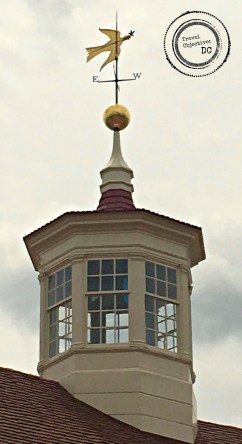
A walk through the manor house is the centerpiece of a visit to Mount Vernon. Through the years, Washington fashioned an ennobled mansion from the more modest farm house his father built, befitting his stature as a wealthy Virginia planter. Though he made improvements over time, Washington’s keen eye and attention to detail made the property, its buildings and landscaping seem consistent and whole. Today’s manor house has been carefully restored to resemble how it looked in 1799, the year Washington died.

The tour enters through the “New Room”, the last room added to the house and completed around 1787. This large, double-story room, papered and painted in elegant and fashionable greens, was meant to impress Washington’s guests.
“When it was completed”, the docent explains, “most houses in Virginia could fit into this room.”
The New Room served as a reception room, ballroom, and dining room, as well as a studio for portrait sitting. The room’s decorations reflect Washington’s love of the land. Farm instruments decorate the mantel piece, molding and plaster ceiling while paintings of pastoral river scenes dot the walls.
On the opposite side of the house is Washington’s study. Unlike the New Room, this was a private space where Washington would manage his personal, public and business affairs. Washington brought the chair from his presidential office back to Mount Vernon and installed it here (where it is now on display). The room also houses a portion of his library; Washington was self-taught, and a voracious reader. His library collection reflected his many interests: agriculture, political philosophy, government, and military history, to name a few.
The Washingtons maintained six bedrooms at Mount Vernon, with additional attic rooms available as well. The Washingtons were accustomed to hosting many house guests and even more daily visitors. Washington openly welcome them. In a letter to his farm manager Washington wrote: “I have no objection to any sober or orderly person’s gratifying their curiosity in viewing the buildings, Gardens, & ca. about Mount Vernon.”
The year after his presidency he and Martha received some 600 guests. Not all would stay in the mansion. This required a certain social standing or letter of introduction from a friend, relative or well-known acquaintance. But all visitors were provided with Martha’s trademark hospitality and overnight accommodations somewhere on the grounds, if necessary.

The Mount Vernon Ladies Association, which has owned and maintained Mount Vernon for over 150 years, opened the Donald Reynolds Museum and Education Center in 2006 for a more in depth examination of Washington’s life. Here Washington moves beyond the two dimensional figure read about in history books.
The museum skillfully employs modern display technologies with life sized dioramas, professionally produced films, and over 700 artifacts to tell Washington’s story as a surveyor, military officer, husband, stepfather, grandfather, slave owner and president. His brief retirement and untimely death at Mount Vernon are also portrayed.

If your visit to Washington, DC involves learning more about George Washington, then time at Mount Vernon will make your trip complete. Join the legions of guests who have visited Mount Vernon over the centuries. Walk the grounds, tour the mansion, explore the many exhibits or take part in some of the special events hosted each year. After all, General Washington would want you to!
* * *
Route Recon:
Mount Vernon is open every day, although hours do vary by season. The estate is located at 3200 Mount Vernon Memorial Highway, Mount Vernon, VA 22121, approximately 15 miles south of Washington, DC, at the end of the George Washington Memorial Parkway. Parking is free, but if you visit during a busy time, you may be directed to more remote overflow parking.
You can also reach Mount Vernon by public transportation. Take the Metro Yellow Line to Huntington. Exit downstairs to Huntington Avenue. Take a Fairfax Connector Bus #101 to Mount Vernon.
More information on the Fairfax Connector System can be found here.
Please note: Photography is not permitted in the mansion or the museum.
* * *
Mess Call:
There are two dining options at Mount Vernon. The Food Court offers a variety of sandwiches, pizza, salads, snacks, desserts and beverages. Breakfast is also available during the morning.
A more formal dining experience can be had at the Mount Vernon Inn Restaurant which provides sit-down meal service with a menu including both contemporary and colonial era dishes.
Both are located in the vicinity of the main entrance.
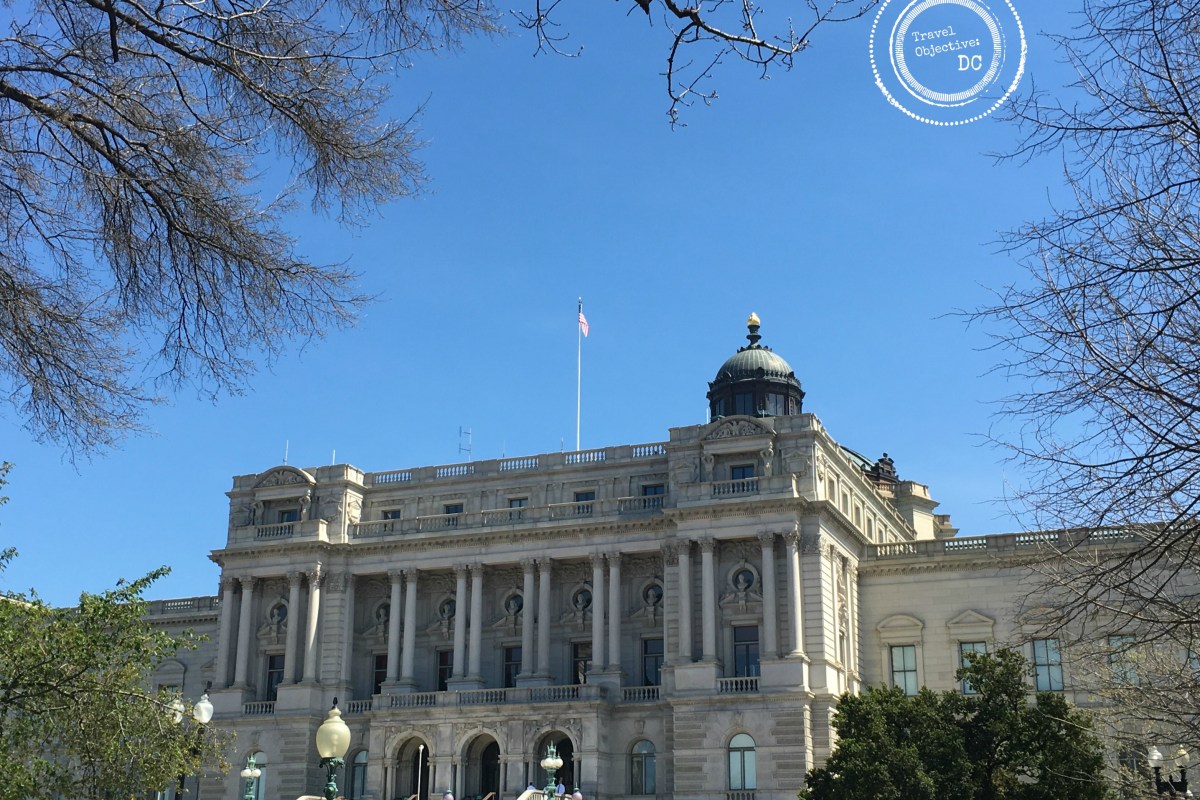
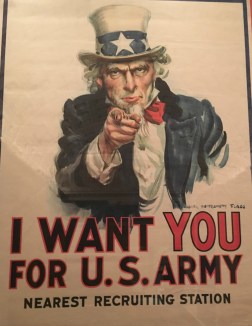
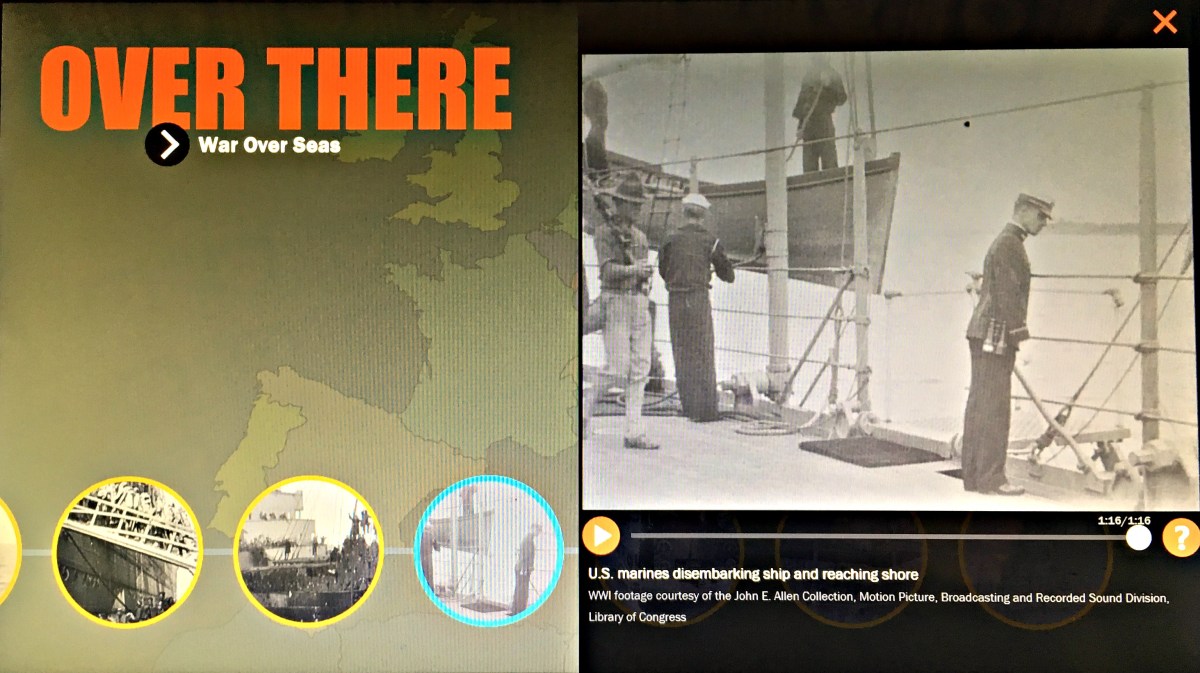
 The section also highlights an important relief operation less well known today, the Commission for Relief in Belgium (CRB). Taking advantage of U.S. neutrality, the CRB procured, transported and distributed 11.4 billion pounds of food to 9.5 million civilians living in German-occupied Belgium and Northern France saving many from starvation. It was chaired by a young mining engineer then living in London named Herbert Hoover.


 In order to preserve what is on display, some items will be rotated out every seven months so Echoes of the Great War is worth visiting more than once before its scheduled closing in January 2019. The Library of Congress also put details of the exhibit, including photos and information on what is currently on display, teaching aids, curator notes and other resources

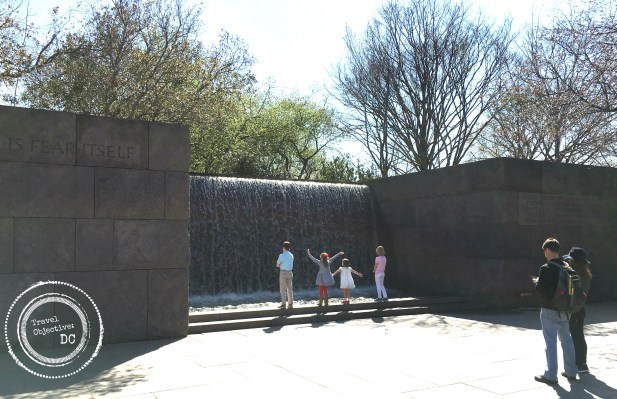
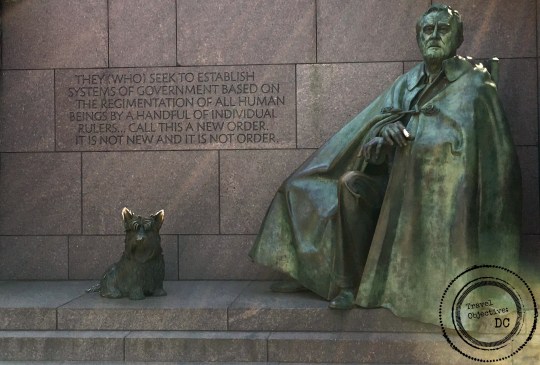
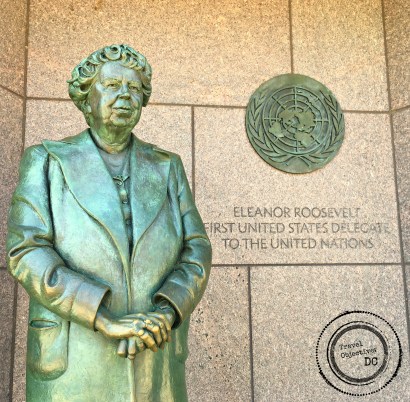
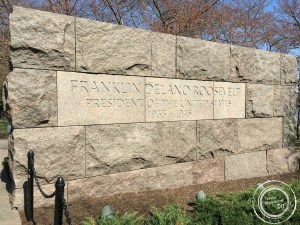 Just west of the Tidal Basin lies the memorial to the 32nd President of the United States, Franklin Delano Roosevelt. Unlike most memorials in Washington, DC that consist largely of a single structure or statue, the FDR memorial is a mix of engravings, vegetation, statues, sculptures, walls and water features. It’s big, spread out over an area encompassing more than five football fields.







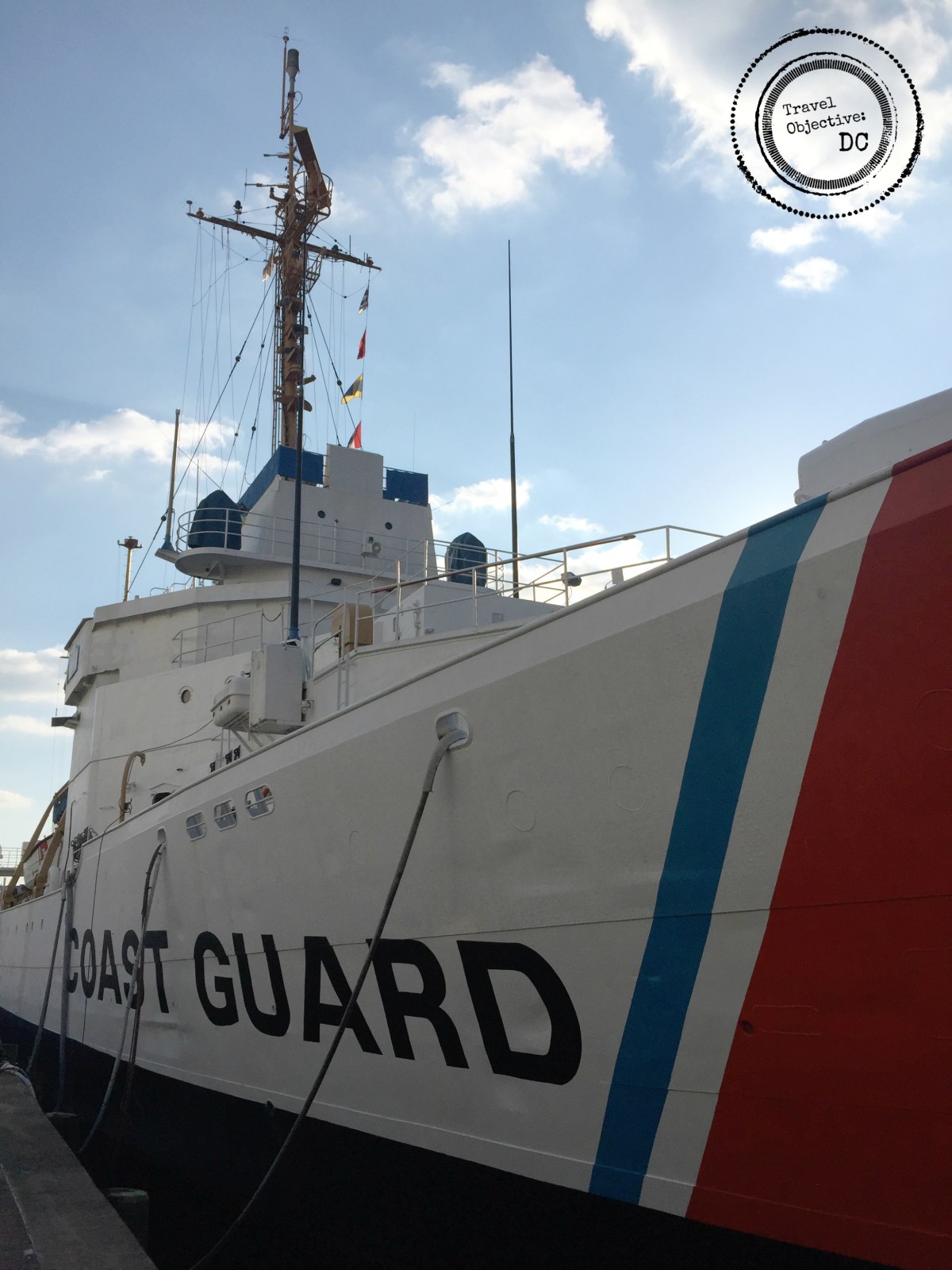
 On the morning of December 7, 1941, the Taney was moored in Honolulu Harbor, about eight miles away from Pearl Harbor. While not directly attacked that day, she did engage Japanese aircraft in her vicinity.
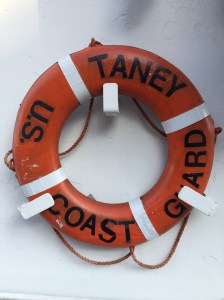 The Taney also participated in the Viet Nam War. From 1969-1970, she patrolled the waters off Viet Nam, supporting naval bombardments, preventing enemy resupply operations and providing medical assistance to South Vietnamese nationals.

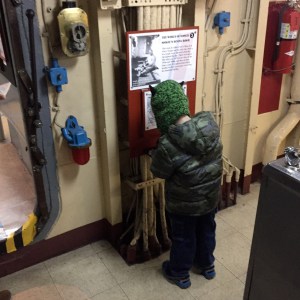 Younger visitors can learn about the Taney’s Mascot “Soogie”, a dog who sailed on board from 1937 until 1948.


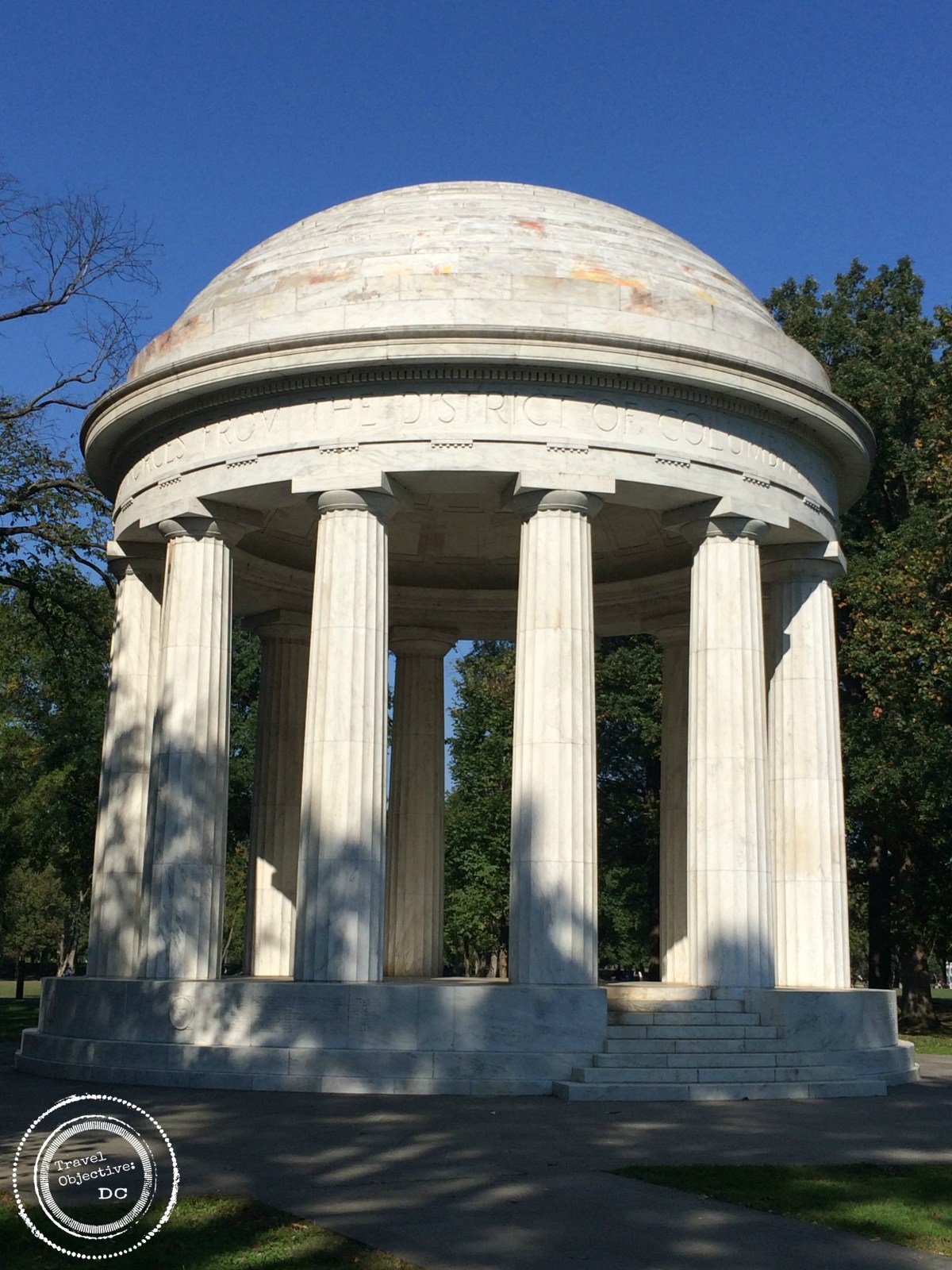
 The park opened in 1981 and features a bronze statue of “Black Jack” Pershing looking west over the park. An adjoining wall describes the role he and the AEF played on the European Western Front and in the Meuse-Argonne campaign.


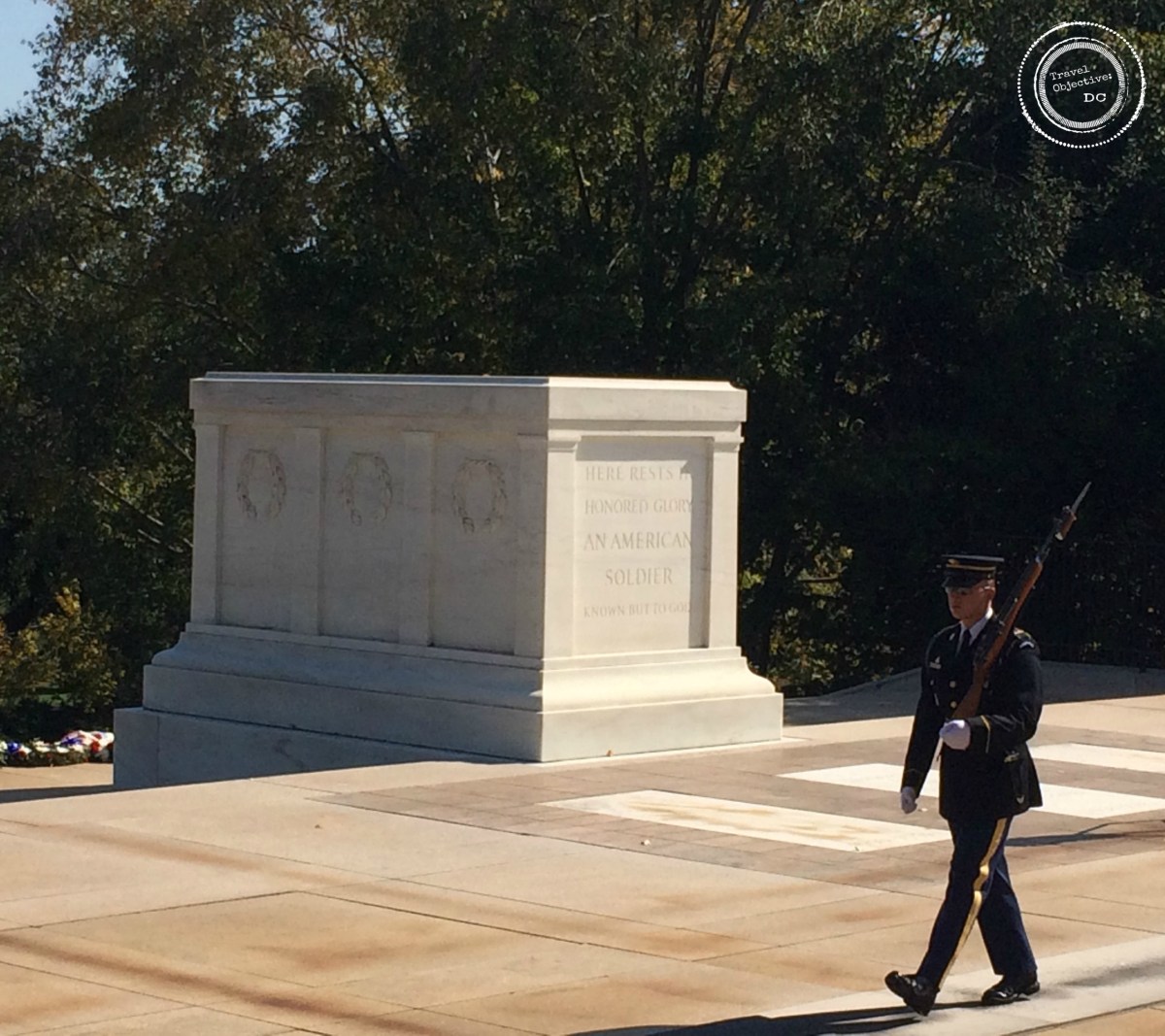
 The commander of the American Expeditionary Force, General of the Armies* John J. Pershing is also buried in Arlington, in adjoining Section 34 on a hill overlooking the men he commanded. A simple, government issued headstone marks his grave, alongside a spruce tree, placed in 1989 by the No Greater Love organization in memory of all Americans who died in World War I.
 Travel Objective DC